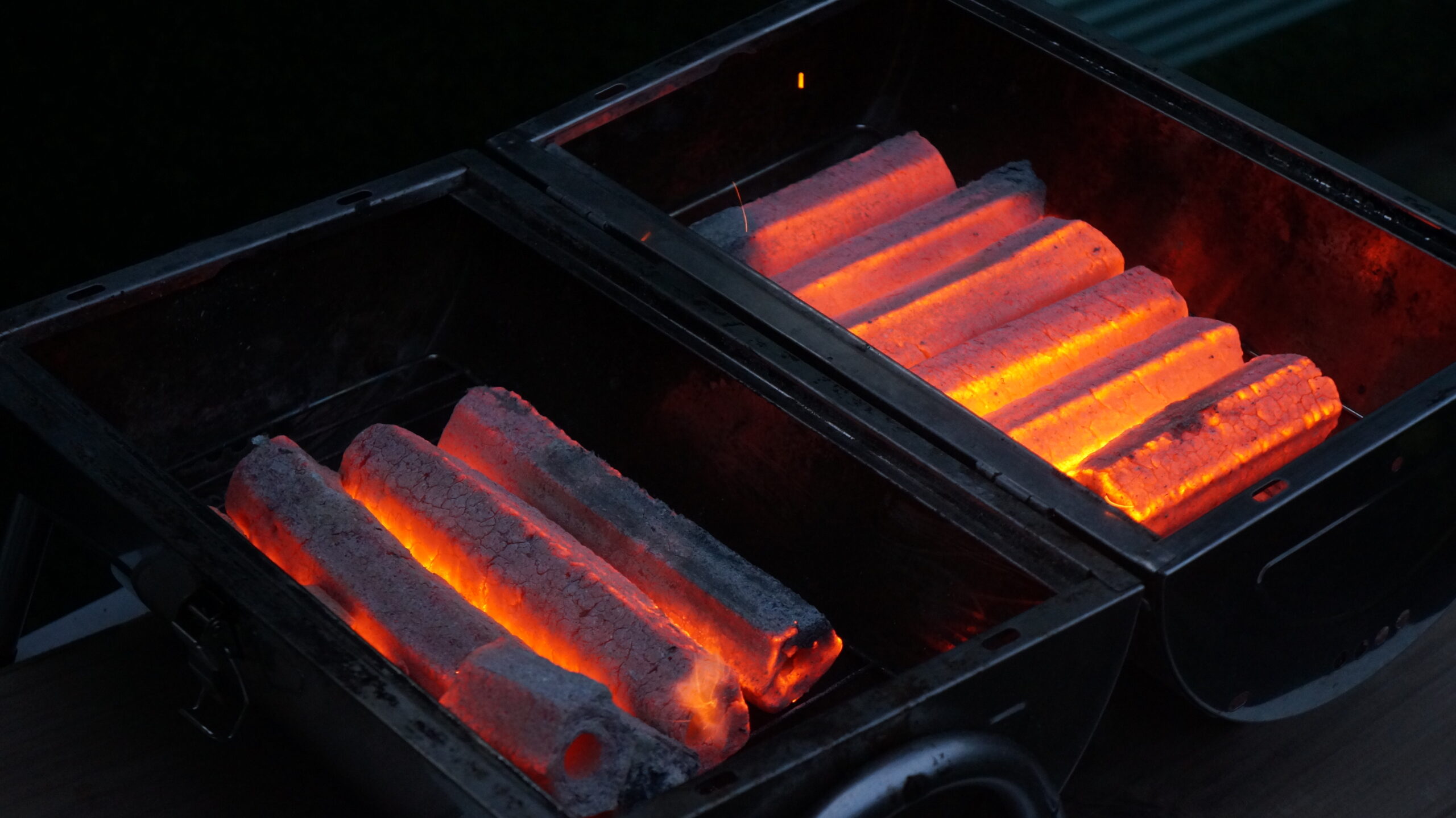
Sustainability is no longer a choice — it’s a necessity. As individuals and industries search for greener alternatives, sawdust charcoal is rising as a smart, eco-friendly solution that meets both environmental goals and economic needs. Derived from wood waste, it turns what was once discarded into a high-value, renewable energy source.
Whether you’re a restaurant owner aiming for cleaner, consistent heat, a BBQ enthusiast who values smoke-free cooking, or a fuel exporter seeking a competitive product for international markets, the benefits of sawdust charcoal go far beyond just heat. Its clean combustion, long burning time, and low ash content make it a superior fuel for a wide range of uses — from home kitchens to industrial applications.
In an era where customers and regulators alike are demanding more sustainable operations, switching to sawdust charcoal isn’t just a smart move — it’s a strategic one. With growing demand across Asia, the Middle East, and Europe, businesses that adopt eco-friendly fuels like this are positioning themselves for long-term success in an increasingly eco-conscious global economy.
Here are seven compelling reasons why sawdust charcoal is considered the best eco-friendly fuel today.
1. Eco-Friendly Fuel Source
Sawdust charcoal is produced from recycled wood waste — primarily the byproducts of furniture factories and sawmills. This reuse of waste materials helps reduce deforestation and minimizes the carbon footprint. Instead of chopping down trees for fuel, we’re transforming what would be discarded into something valuable.
2. High Heat Efficiency
One of the most important qualities of any fuel is heat output. Sawdust charcoal has a high fixed carbon content, allowing it to burn longer and hotter than most traditional fuels. This makes it ideal for both cooking and heating, especially in commercial kitchens, food stalls, and home use.
3. Low Smoke and Odor
Unlike firewood or regular lump charcoal, sawdust charcoal burns cleanly. It releases very little smoke and produces virtually no unpleasant odor. This is especially useful in enclosed spaces or for exports to countries with strict air quality regulations like Japan and South Korea.
4. Uniform Shape and Size
Sawdust charcoal is commonly processed into consistent shapes like cylindrical or hexagonal briquettes. This uniformity makes it easier to handle, store, and transport. The briquettes also provide a consistent burn, which is important for professional and large-scale users.
5. Cost-Effective
Even though it might seem more expensive upfront than firewood or low-grade coal, sawdust charcoal is far more efficient. It burns slower and more completely, meaning you use less fuel over time — resulting in real savings for restaurants, exporters, and consumers alike.
6. Readily Available and Renewable
Many countries, particularly in Southeast Asia like Indonesia, produce vast amounts of sawdust through wood processing industries. This makes sawdust charcoal not only renewable but also highly scalable. There’s a steady and sustainable supply chain for both domestic use and export.
7. Meets International Standards
Premium sawdust charcoal is made to meet global standards, especially for export markets. It often features:
-
Moisture content below 5%
-
Ash content below 8%
-
Fixed carbon above 75%
These specs make it highly attractive in countries with strict environmental and quality regulations.
Final Thoughts
Sawdust charcoal is more than just a fuel — it’s a step toward a cleaner, greener, and smarter future. Whether you’re looking to buy, sell, or simply explore renewable energy options, this product delivers long-term value for both people and the planet.
Interested in Buying or Trading Sawdust Charcoal?
If you’re looking to buy, wholesale, or trade high-quality sawdust charcoal or other charcoal products, we’d love to hear from you. Whether you’re a local distributor, international buyer, or new to the charcoal business — our team is ready to help.
Visit our website at tradiacharcoal.com or
Contact us directly thru this link to discuss pricing, specifications, and shipping options.
Let’s build a cleaner and more sustainable future — together.