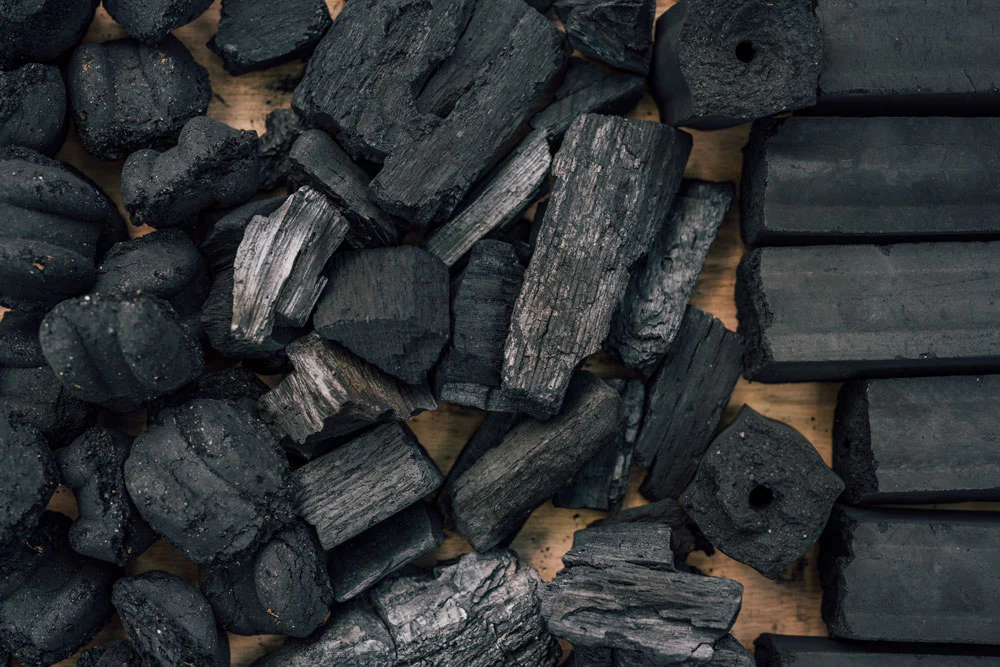
Whether you’re a BBQ fanatic, an artist, or someone exploring eco-friendly fuel alternatives, this Charcoal 101 guide covers it all—from what it is, to how it’s used, and which types fit your needs and budget. Charcoal has been around for thousands of years, playing roles in cooking, metallurgy, medicine, and even art. Today, its uses have expanded even further, from skincare products to high-end culinary experiences.
Table of Contents
- What Is Charcoal?
- Best Uses of Charcoal
- Cheapest Types of Charcoal
- Most Expensive Charcoal in the Market
- Tips for Choosing Charcoal
- Final Thoughts
Charcoal 101: What Is Charcoal?
Charcoal is a carbon-rich material made by burning wood or organic substances in a low-oxygen environment, a process known as pyrolysis. This controlled burning removes moisture and volatile compounds, leaving behind a lightweight, black residue. The resulting charcoal is incredibly versatile, being used in everything from backyard grilling to industrial filtration systems.
Historically, charcoal was vital for forging weapons and tools. Today, it continues to evolve with modern needs—powering eco-friendly energy solutions like biochar and finding its way into cosmetic and medical products.
Charcoal 101: Best Uses of Charcoal
The versatility of charcoal is astonishing. Below are some of its most common and interesting uses:
Grilling and Smoking Food
By far the most popular use, especially lump wood charcoal and charcoal briquettes. It burns hotter and cleaner than regular wood while imparting a smoky, earthy flavor to meats, vegetables, and seafood. Chefs often choose lump hardwood charcoal for its high heat and minimal ash production, while casual grillers prefer briquettes for their affordability and steady burn.
Artistic Medium
Artists love charcoal for sketching and shading. Charcoal pencils and sticks offer deep black tones and excellent blending properties. Many professional illustrators and fine artists consider it an essential medium due to its ability to create both soft gradients and bold, dramatic strokes.
Skincare and Detox
Activated charcoal has gained immense popularity in the beauty industry. Its porous structure allows it to absorb toxins, dirt, and oils. You’ll find it in face masks, shampoos, soaps, and even toothpaste. Health enthusiasts also use it for detox drinks (though this should be done with caution).
Soil Amendment (Biochar)
Biochar is a form of charcoal used in agriculture. It improves soil fertility, increases water retention, and helps reduce greenhouse gas emissions. As an eco-friendly alternative to chemical fertilizers, biochar is gaining momentum among farmers and climate-conscious gardeners.
Charcoal 101: Cheapest Types of Charcoal
Not all charcoal will burn through your wallet. These budget-friendly options are both effective and widely available:
-
Charcoal Briquettes
Made from compressed sawdust, charcoal fines, and binders, briquettes are designed to burn longer and at a consistent temperature. Brands like Kingsford or Royal Oak are known for their affordability and reliability.
-
Sawdust Charcoal
This eco-friendly option is made from recycled wood dust and is particularly popular for industrial kitchens or bulk grilling needs. It’s cost-effective and often sold in large quantities for restaurants or catering businesses.
Interested in purchasing sawdust charcoal in bulk? Visit our [Product Page] for pricing and availability.
Charcoal 101: Most Expensive Charcoal in the Market
On the other end of the spectrum, premium charcoal varieties can be quite expensive due to their quality, rarity, and the complexity of their production.
- Binchotan Charcoal (Japan) Known as the “white charcoal,” Binchotan is crafted from oak wood through a meticulous and lengthy process. It burns clean, produces minimal smoke, and can last for hours. Prices can soar up to $100 per kilo, making it the gold standard for high-end Japanese cooking.
- Lump Hardwood Charcoal While less costly than Binchotan, premium-grade hardwood charcoal—made from oak, hickory, or mesquite—can fetch high prices. The purity of the wood and its ability to produce intense, steady heat makes it a favorite for gourmet BBQ enthusiasts.
- Specialty Activated Charcoal Often used in laboratories, hospitals, or luxury skincare products, activated charcoal undergoes advanced processing to achieve high absorbency and purity. This makes it significantly more expensive than standard charcoal products.
Charcoal 101: Tips for Choosing Charcoal
Selecting the right charcoal depends on your needs:
- For BBQ: Go for lump hardwood charcoal for authentic flavor or briquettes for cost-effectiveness.
- For Art: Stick with compressed charcoal sticks for smooth shading and control.
- For Gardening: Biochar is the best pick for enriching soil while reducing carbon emissions.
- For Premium Cooking: Invest in Binchotan if you want the ultimate cooking experience with minimal smoke and a clean burn.
Final Thoughts
Charcoal is far more than just black dust—it’s a multifunctional material with applications in cooking, art, gardening, and even medicine. Whether you’re grilling steaks, sketching a masterpiece, or improving soil health, understanding the best uses, cheapest picks, and most expensive types helps you make smarter choices.
If you’re ready to explore charcoal options, don’t forget to check our recommended products and guides: