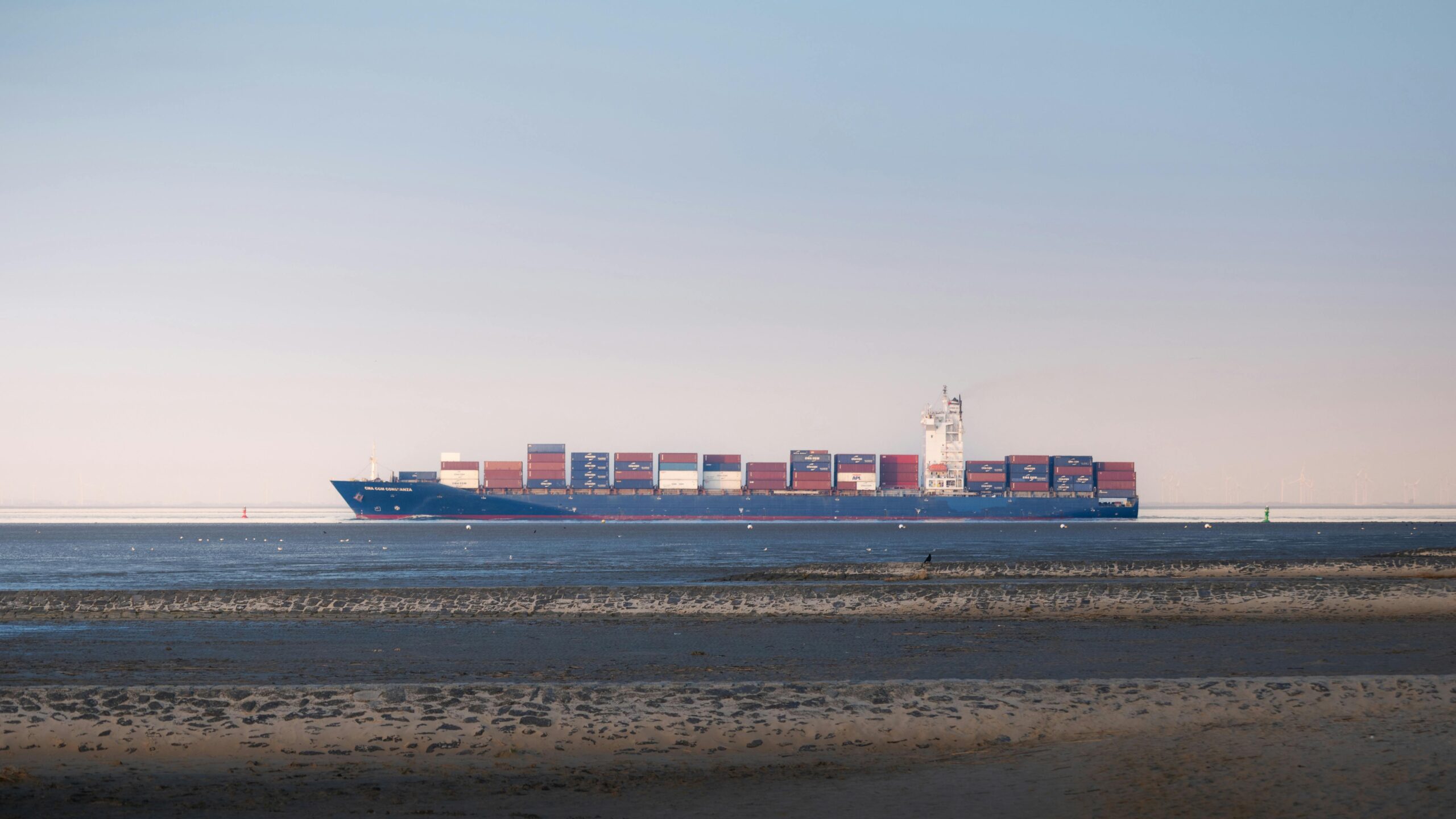
The charcoal export industry has been growing rapidly, driven by the global demand for eco-friendly fuel, high-quality grilling products, and industrial-grade charcoal. Whether it’s for BBQ, water filtration, or agricultural use, charcoal remains a highly traded commodity. In this article, we explore the top 5 charcoal producers globally and the most popular charcoal products dominating the international market.
Table of Contents
- Overview of Charcoal Export Market
- Top 5 Charcoal Exporting Countries
- Most Popular Charcoal Products
- Why Global Demand for Charcoal is Rising
- Key Importing Markets and Opportunities
- Final Thoughts
Overview of Charcoal Export Market
Charcoal is no longer just a local commodity—it’s a multi-billion-dollar global market. According to trade data, international charcoal exports are valued at over $1.5 billion annually, with the largest demand coming from countries like the USA, Germany, South Korea, and Saudi Arabia.
The market is driven by:
-
BBQ and grilling culture in North America and Europe
-
Industrial applications, such as metallurgy and filtration
-
Eco-friendly products, including coconut shell briquettes
-
Energy alternatives, especially in developing countries
Top 5 Charcoal Exporting Countries
Here are the leading charcoal exporters dominating the global market:
1. Indonesia
Indonesia is one of the world’s largest exporters of coconut shell briquettes and sawdust charcoal. The country’s abundance of coconut plantations makes it the perfect source for high-quality, smokeless, and eco-friendly charcoal products.
2. China
China exports large quantities of lump wood charcoal and bamboo charcoal. Chinese bamboo charcoal, in particular, is known for its air-purifying properties and is often used in health and wellness products.
3. Brazil
Brazil’s vast forests make it a major supplier of lump hardwood charcoal, primarily used for grilling. Brazilian charcoal is popular in the USA and Europe due to its high heat and long burn time.
4. Thailand
Thailand is famous for coconut shell charcoal briquettes and sustainable wood charcoal. Their high-quality briquettes are a staple in Asian and Middle Eastern markets.
5. South Africa
South Africa exports both lump charcoal and charcoal briquettes, with a strong presence in European markets. Their hardwood charcoal is valued for its high density and heat efficiency.
Most Popular Charcoal Products
Charcoal comes in different forms, each catering to specific markets and uses. The most in-demand charcoal products for export include:
1. Coconut Shell Briquette Charcoal
-
Key Markets: Middle East, Europe
-
Use: Shisha, BBQ
-
Features: Smokeless, eco-friendly, long burn time
2. Lump Hardwood Charcoal
-
Key Markets: USA, Europe
-
Use: BBQ, professional grilling
-
Features: High heat, minimal additives
3. Sawdust Charcoal Briquettes
-
Key Markets: Asia, Africa
-
Use: Industrial heating, restaurants
-
Features: Cost-effective, long-lasting
4. Pillow Briquette Charcoal
-
Key Markets: North America, Europe
-
Use: Commercial grilling
-
Features: Uniform shape, consistent heat
5. Bamboo Charcoal
-
Key Markets: Japan, South Korea
-
Use: Air filtration, water purification, health products
-
Features: Unique absorption properties
Why Global Demand for Charcoal is Rising
Several factors drive the increasing global demand for charcoal:
-
Rise in outdoor cooking & BBQ culture in Western countries.
-
Shift toward eco-friendly fuels, like coconut-based charcoal.
-
Growing industrial applications (metal smelting, water filtration).
-
Export opportunities from countries with renewable resources like Indonesia and Thailand.
Key Importing Markets and Opportunities
-
United States: Largest consumer of lump charcoal and briquettes for BBQ.
-
Germany & UK: High demand for sustainable, eco-friendly briquettes.
-
Middle East: Heavy consumption of coconut shell charcoal for shisha.
-
South Korea & Japan: Bamboo charcoal for both cooking and health products.
Tip for Exporters: Focus on certifications like FSC (Forest Stewardship Council) or organic product certification to enter premium markets.
Final Thoughts
The charcoal export market offers huge opportunities for producers and traders. From coconut shell briquettes to lump hardwood charcoal, each product caters to specific consumer preferences across the globe. By understanding the top exporting countries and popular product trends, businesses can position themselves as competitive players in this growing market.
Looking to source high-quality charcoal products? Explore our Charcoal Catalog and connect with trusted suppliers.